Heat pumps are becoming an increasingly popular option for homeowners looking for alternatives to traditional heating systems.
An air source heat pump takes heat from the outside air and uses it to provide heating and, in some systems, hot water. However, the cost of installing one can vary considerably from property to property.
If you are researching the air heat pump installation cost in 2026, it is important to look beyond the equipment price. The size of your home, insulation, system design, and installation requirements can all affect the final quotation.
What Is an Air Source Heat Pump?
An air source heat pump uses electricity to move heat from outdoor air into your home.
Even when outdoor temperatures are low, there is still heat energy in the air. The system extracts this heat and raises its temperature so it can be used for home heating.
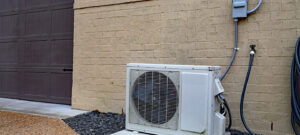
A typical system includes an outdoor unit, indoor components, and controls. Depending on the property, it may work with radiators, underfloor heating, and a hot water cylinder.
How Much Does Installation Cost in 2026?
There is no fixed installation price because every property is different.
As a broad guide, homeowners could be looking at roughly £8,000 to £15,000 or more for a complete air source heat pump installation before any applicable grants or funding. Larger homes, complex installations and additional heating upgrades can push the cost higher.
The actual air source heat pump installation cost should be based on a property assessment rather than a standard online figure.
A professional installer can consider your home’s heat demand, existing heating system, insulation, and hot water requirements before preparing a quotation.
What Affects the Price?
Several factors can change the overall installation cost.
1. Size of Your Property
A larger home generally requires a heat pump with greater capacity.
The system needs to be properly sized for the building’s heat requirements. Choosing a unit that is too large or too small can affect performance and efficiency.
2. Existing Heating System
The condition of your current heating system can influence the work required.
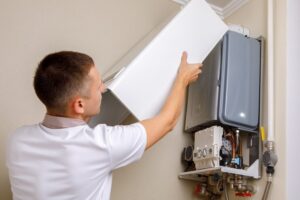
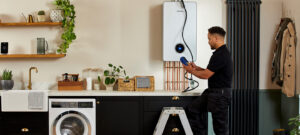
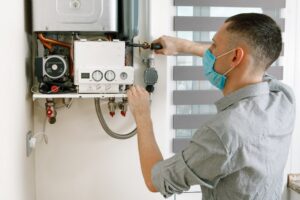
If you are replacing a boiler, the installer may need to make changes to pipework, controls or hot water arrangements.
Your existing radiators may also need to be assessed to make sure they can provide enough heat at the operating temperatures of the new system.
3. Insulation
Good insulation can reduce heat loss from your home.
Before installing a heat pump, it is worth considering whether improvements such as loft insulation, wall insulation or better glazing are needed.
Reducing heat loss can help your heating system work more effectively.
4. Hot Water Requirements
Some properties will need a suitable hot water cylinder as part of the installation.
The size and type of cylinder will depend on household demand and available space.
Homes with high hot water use may require a different setup from smaller properties.
5. Electrical Work
A heat pump requires an electrical supply capable of supporting the system.
In some properties, electrical upgrades may be required. These should be identified during the assessment so they can be included in the overall budget.
6. Property Layout and Installation Access
The position of the outdoor unit and indoor components matters.
Installers need to consider access, available wall or floor space, pipework routes, and the relationship between the indoor and outdoor units.
More complicated layouts can increase installation time and labour costs.
Are There Running Cost Benefits?
Heat pumps can be highly efficient because they move heat rather than generating it directly through combustion.
However, actual running costs depend on several factors, including electricity prices, system efficiency, property insulation, heating controls, and how the system is used.
This means installation should be considered as a long-term investment rather than judged only by the initial price.
What About Government Support?
Government support schemes can change over time, so homeowners should check the current eligibility requirements before relying on a grant when planning their budget.
Eligibility can depend on the property, heating system, and type of installation.
A professional installer can also help explain what support may be available, but always confirm current rules through the relevant official source before making financial decisions.
Is an Air Source Heat Pump Suitable for Every Home?
Not necessarily.
A heat pump can work well in many homes, but suitability depends on factors such as:
- Property size
- Insulation levels
- Existing radiators
- Available outdoor space
- Hot water requirements
- Electrical supply
- System design
- Budget
A property assessment is therefore an important first step.
How to Prepare for Installation
Before getting quotations, consider making a list of your heating requirements.
Think about:
- How many rooms need heating?
- How much hot water does your household use?
- What heating system do you currently have?
- Are your radiators suitable?
- Is your home well insulated?
- Where could the outdoor unit be positioned?
- What is your overall budget?
Having this information ready can make discussions with installers more productive.
Why Professional Installation Matters
Heat pump systems need to be correctly designed and installed. Poor sizing or unsuitable system design can affect comfort, efficiency, and long-term performance.
Emberstone Energy Limited can help homeowners understand whether a heat pump is suitable for their property and what the installation may involve.
Professional advice can also help identify additional work that should be included in the project from the start.
Final Thoughts
The air heat pump installation cost in 2026 depends on far more than the price of the heat pump itself.
Property size, insulation, radiators, hot water requirements, electrical work, and installation complexity can all influence the final figure.
If you are considering air source heat pump installation, start with a professional property assessment and request a detailed quotation. Taking time to understand the system before installation can help you make a more informed decision and avoid unexpected costs.